Making Smart Investments: Why Choosing the Best Restaurant Equipment Strengthens Your Revenue
In the fast-paced restaurant business, the choice of equipment can greatly impact financial performance. High-grade equipment improves productivity and security as well as lowering running expenses. In choosing the right restaurant appliances, considerations like power consumption, user comfort, and adaptability prove absolutely vital. Recognizing these factors helps achieve superior service delivery and enhanced customer experience. Yet, numerous restaurant owners ignore the lasting advantages of making smart investments. Which factors deserve the most attention to optimize profitability?
Why High-Quality Equipment Is Essential in the Restaurant Industry
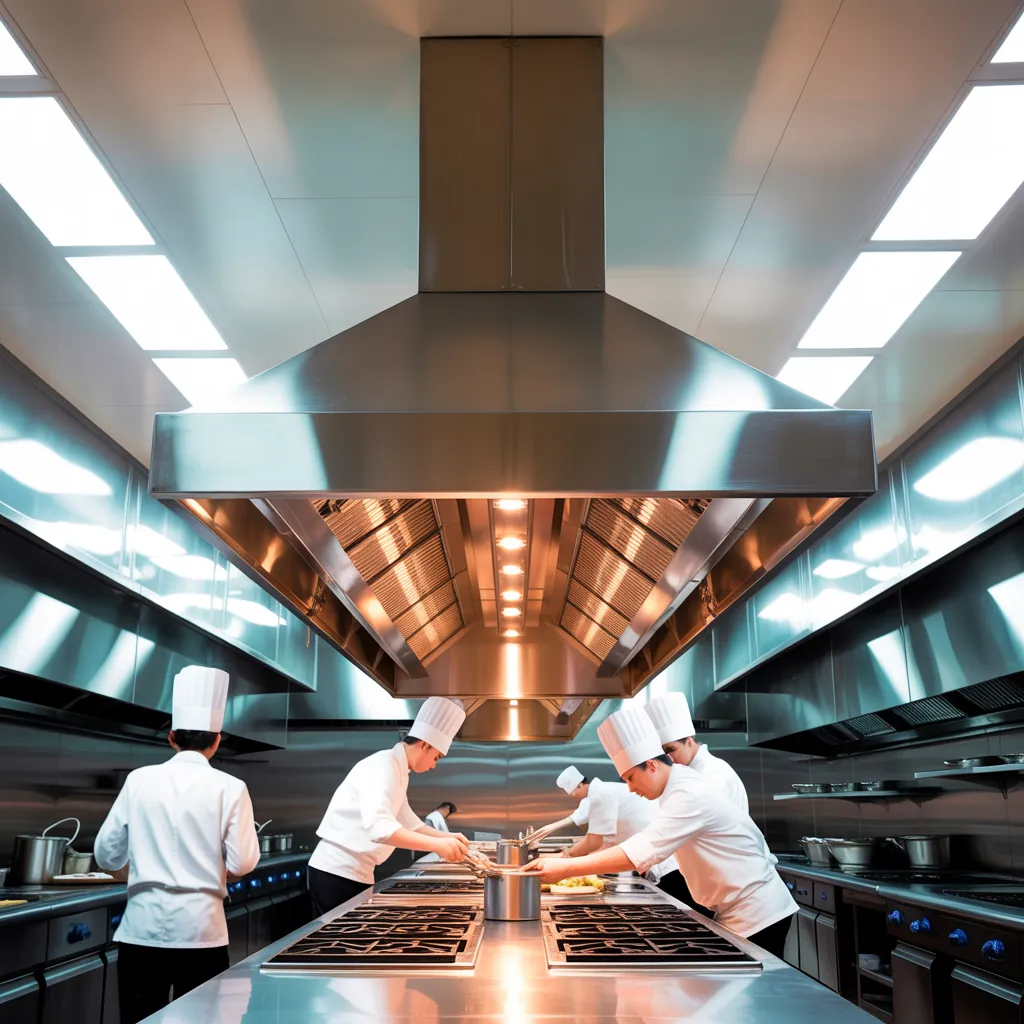
Quality equipment serves as the backbone of any successful restaurant operation. When restaurateurs invest in high-grade tools and appliances, they enhance efficiency, safety, and overall service quality. Trustworthy equipment limits operational downtime and repair expenses, freeing staff to dedicate their efforts to delivering remarkable customer experiences. In addition, robust appliances commonly integrate innovative technology that elevates cooking precision and consistency, proving critical for preserving menu standards.
Moreover, high-quality equipment promotes greater energy efficiency, cutting down operational expenditures over the long term. This not only supports a healthier bottom line but also contributes to sustainability efforts within the industry. While the upfront costs may appear significant, the long-term advantages frequently justify the expenditure. Ultimately, choosing quality equipment empowers restaurant owners to streamline operations, meet customer expectations, and foster a positive dining atmosphere, making it a significant consideration in the competitive restaurant landscape.
Important Features to Look for When Choosing Restaurant Equipment
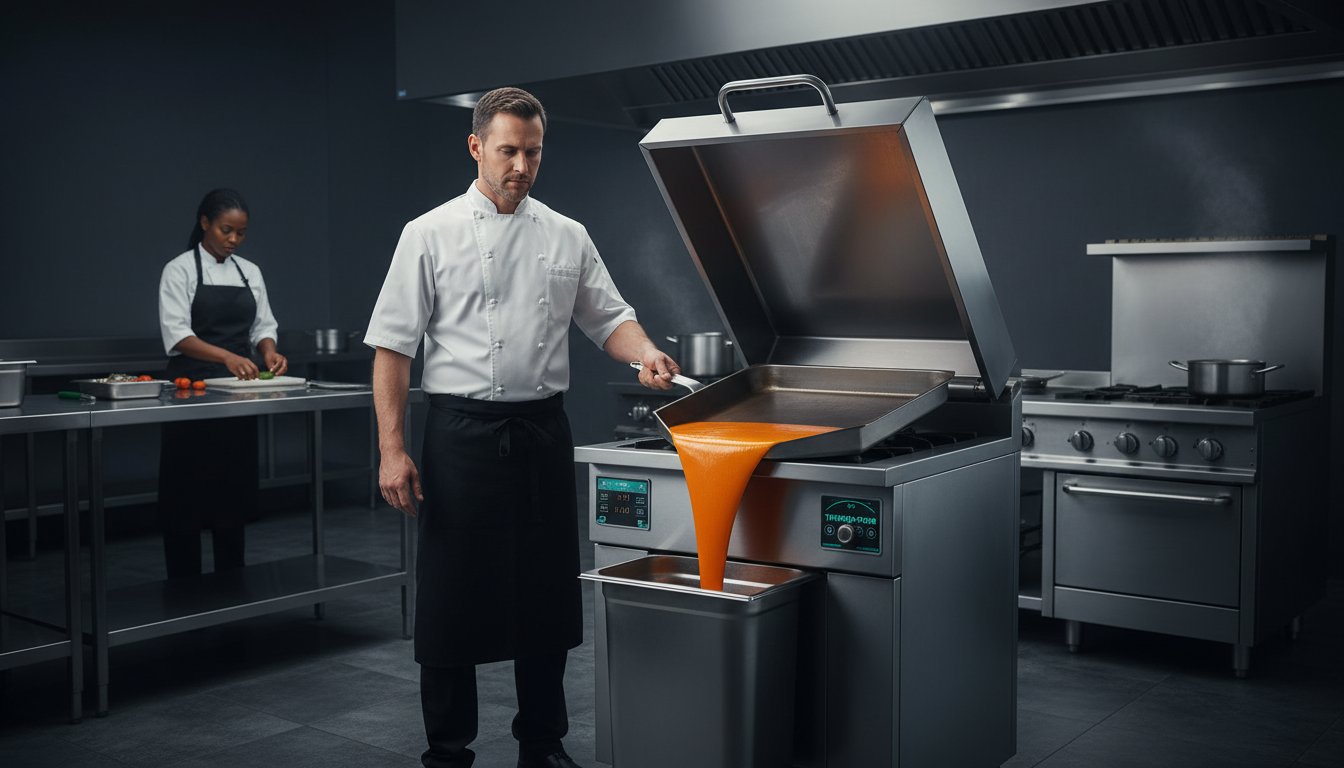
When selecting restaurant equipment, several essential features warrant careful consideration to achieve maximum efficiency and long-term reliability. Durability is paramount; equipment should withstand the rigors of daily use in a bustling kitchen. Furthermore, ease of upkeep is an important factor; equipment that simplifies cleaning and servicing can reduce downtime and labor costs.
Adaptability is another important aspect, enabling chefs to use equipment across various applications, enhancing menu flexibility. Dimensions and volume should also be evaluated to confirm that items integrate within the kitchen design while satisfying operational requirements. Furthermore, easy-to-use interfaces promote accelerated staff training and operational performance.
Ultimately, review the warranty coverage and support offered by the manufacturer, as reliable support options can reduce future concerns. By evaluating these important features, restaurant owners can make well-informed decisions that enhance overall productivity and success.
Energy Efficiency: A Key to Lower Operating Costs
Energy efficiency remains a key element in reducing operating costs for restaurants, notably in a field where profitability can be challenging. Upgrading to energy-efficient tools can generate considerable savings on energy costs, which frequently represent a large share of total operating costs. As an example, ENERGY STAR-qualified devices use less power while delivering consistent results, helping restaurants function in a more environmentally and financially responsible manner.
Furthermore, quality equipment often demonstrates greater durability, decreasing how often replacements are needed and their associated costs. This not only contributes to lower capital expenses but also minimizes waste.
Beyond financial benefits, implementing energy-saving measures can strengthen a restaurant's image, appealing to environmentally conscious consumers. As energy costs continue to rise, prioritizing efficiency becomes not just a smart financial move but also a competitive advantage. By focusing on energy-efficient equipment, food service proprietors can meaningfully boost their financial performance while advancing environmental sustainability.
How Ergonomics Helps Boost Staff Productivity
In the restaurant industry, ergonomics is a critical factor in boosting workforce efficiency. By streamlining workflow processes, reducing injury risks, and increasing employee comfort, restaurants are able to establish a more productive workplace. This commitment not only supports employees but also drives overall business performance.
Streamlined Workflow Effectiveness
Optimizing operational performance in restaurant settings relies upon the integration of ergonomic practices. By designing workspaces that promote natural body movements, restaurants can enhance efficiency. Workspace configuration, tool positioning, and ease of access are essential factors in reducing unnecessary strain and fatigue. For instance, adaptable work areas help team members complete duties efficiently, improving accuracy and productivity. Additionally, carefully arranged instruments and resources reduce unnecessary physical movement, supporting a more streamlined process. complete guide When staff can move freely and efficiently, they are more capable of preserving attention and performance. Investing in ergonomic designs not only enhances performance but also fosters a more organized environment, ultimately resulting in superior service delivery and patron fulfillment. Through deliberate decisions regarding workspace design, restaurants can achieve significant gains in operational efficiency.
Reduced Injury Risks
Applying ergonomic strategies in restaurant settings substantially lowers injury hazards among workers. Through the use of equipment built for comfort and usability, such as adjustable work stations and ergonomic floor mats, establishments can reduce the physical demands placed on team members. Thoughtfully designed equipment, like lightweight kitchen tools and easy-to-handle transport carts, additionally reduce the likelihood of repetitive stress injuries. Teaching workers about established ergonomic methods, such as appropriate lifting procedures and proper posture, builds knowledge and promotes safer workplace habits. These initiatives not only shield team members but also bring about a decline in workplace mishaps, thus lowering downtime and related expenses. At the end of the day, committing to ergonomic resources and instruction fosters a safer work environment, which can improve general workforce efficiency and morale.
Increased Employee Comfort
Boosting employee satisfaction via ergonomic practices significantly increases employee productivity in foodservice environments. Through investing in resources that prioritizes worker comfort, foodservice businesses can build a working atmosphere that limits physical stress and exhaustion. Adjustable workstations, comfortable chairs, and well-crafted food preparation tools allow workers to perform tasks in a more productive and comfortable manner. Beyond simply achieving greater operational output but also fosters a supportive work environment, which can boost employee morale and retention. Furthermore, well-supported staff are unlikely to suffer from burnout, contributing to reduced staff turnover and associated expenses. Ultimately, adopting ergonomic practices is a calculated decision that strengthens overall operations and positively impacts the restaurant's financial performance. Through a commitment to comfort, dining establishments can build a more productive workforce.
Choosing Restaurant Equipment That Enhances Guest Experience
A well-chosen selection of restaurant equipment can considerably improve the general dining atmosphere for guests. Superior products, such as advanced coffee machines or precision ovens, guarantee that dishes and drinks meet perfect temperature and flavor standards, boosting customer satisfaction. Additionally, visually appealing tools, like fashionable dishware or specialized serving utensils, enhances the establishment's atmosphere and strengthens its brand image.
Streamlined kitchen machinery enhances workflow, permitting staff to present dishes without delay, which is vital for maintaining guest satisfaction. In addition, tools that secure proper food hygiene, for example high-quality cooling units, builds confidence and reliability among customers.
In addition, technology-driven solutions, like automated ordering solutions, can personalize the dining experience, making it increasingly engaging and pleasant. By prioritizing the selection of equipment that focuses on functionality, design, and quality, restaurant operators can significantly improve the overall guest experience, generating repeat patronage and strong word-of-mouth endorsements.
Why Flexible Equipment Is Essential for Menu Adaptability
Versatile equipment plays an essential role in allowing dining establishments to modify their menus in response to changing trends and customer preferences. By adopting multi-purpose cooking equipment, establishments can efficiently respond to market demands without necessitating major expenditure on new kitchen apparatus. For instance, a combi oven can steam, bake, and roast, allowing chefs to experiment with diverse dishes while upholding reliable standards of excellence.
This adaptability not only enhances innovation in menu development but also improves kitchen efficiency, decreasing prep time and limiting unnecessary food waste. Establishments with adaptable tools can pivot quickly to seasonal produce or growing dietary movements, such as plant-based options or gluten-free offerings.
In the end, investing in adaptable equipment enables restaurants to stay competitive and relevant, nurturing a vibrant dining experience that captures and keeps customers coming back. The ability to adjust menus fluidly is a key strategy for sustaining growth in the ever-evolving culinary landscape.
Strategies for Prolonging Equipment Lifespan
To optimize the service life of foodservice equipment, adopting a structured maintenance plan is vital. Furthermore, utilizing proper cleaning techniques can reduce equipment degradation, while thorough operator training programs ensure that employees operate equipment properly. Collectively, these methods build a basis for durability and consistency in foodservice management.
Regular Maintenance Schedule
While many restaurant owners focus on purchasing high-quality equipment, ignoring consistent maintenance can cause costly repairs and diminished equipment longevity. Establishing a regular maintenance schedule is essential for ensuring that equipment operates efficiently and reliably. This schedule should include routine checks and servicing of key components, such as filters, seals, and electrical connections. It is beneficial to log maintenance tasks to track performance and detect recurring issues. Furthermore, educating staff to identify early indicators of wear can stop minor problems from worsening. By prioritizing maintenance, restaurant owners can minimize downtime, enhance food safety, and ultimately extend the life of their investments. A preventive approach to equipment upkeep results in considerable long-term cost savings for the business.
Essential Cleaning Procedures
Keeping equipment clean is essential for prolonging the life of restaurant equipment. Consistent cleaning practices prevents the buildup of grease, grime, and food residue that can result in surface corrosion and operational failure. Employing suitable cleaning solutions is critical; strong chemicals risk damaging delicate surfaces, while safe, non-toxic cleaning agents efficiently clean surfaces without risk. Workers should apply appropriate cleaning practices, such as employing microfiber cloths and non-scratch sponges, to protect fragile equipment surfaces. Additionally, regular thorough cleaning sessions should be planned to address hard-to-reach areas and achieve full sanitary compliance. Adhering to manufacturer guidelines for specific equipment is essential, as various machines demand specific maintenance protocols. Adopting these practices helps extend the operational lifespan of equipment and preserving top-tier operational efficiency in a bustling restaurant environment.
Operator Education Programs
Establishing extensive staff training programs is fundamental for enhancing the service life of restaurant equipment. These programs guarantee that staff are familiar with the proper use and care of each piece of equipment, lowering the likelihood of improper use and unintended harm. Training should cover practical techniques, safety protocols, and standard sanitation methods, all adapted to particular machinery types. Periodic training updates can solidify effective practices and accommodate any new machinery introduced to the kitchen. Additionally, promoting a mindset of stewardship empowers staff to become invested in equipment care. By investing in thorough training, restaurant operators can greatly extend the life of their equipment, consequently boosting performance and cutting long-term overhead. This strategic approach contributes positively to the business's overall financial health.
When Should You Replace Your Restaurant Equipment for Improved ROI?
What is the ideal time to upgrade restaurant equipment for maximum return on investment? Proper timing can have a major influence on overall profitability. Business owners ought to explore replacing their machinery when appliances constantly malfunction or demand expensive maintenance, as such costs can exceed the advantages of retaining aging equipment. Furthermore, if current machinery does not comply with modern health and safety regulations, it can lead to fines or closures, ultimately harming the bottom line.
Another key indicator is a noticeable decline in efficiency, such as extended cooking durations or greater power draw. Investing in energy-saving equipment can decrease operational costs and enhance productivity. Furthermore, when new menu items are introduced, it may necessitate equipment that can manage higher volumes or unique preparation methods. In the end, evaluating performance, costs, and business growth will allow business owners to identify the optimal moment to invest in new equipment, delivering enhanced profitability and a distinct advantage in the industry.
Questions We Often Receive
What Are the Best Ways to Finance Restaurant Equipment Purchases?
To finance restaurant equipment purchases effectively, one may look into options including leasing, small business loans, or equipment financing. Reviewing interest rates and terms secures the most suitable options aligned with the restaurant's particular financial needs and situation.
What Brands Are Known for High-Quality Restaurant Equipment?
Numerous manufacturers are well-known for high-quality restaurant equipment, including Vulcan, Hobart, and True. Such companies are distinguished for their longevity, efficiency, and dependability, making them preferred options among restaurant owners aiming to upgrade their kitchens.
Are There Warranties Available for Restaurant Equipment?
Yes, numerous producers include warranties for foodservice equipment, usually spanning anywhere from one to five years. These warranties typically encompass both parts and labor, offering peace of mind to restaurant owners about the durability and dependability of their equipment purchases.
How Do I Dispose of Old Restaurant Equipment Responsibly?
To properly handle used foodservice equipment in a sustainable way, restaurant owners should contact local recycling centers, contribute functional equipment to charitable organizations, or work with certified removal services that comply with environmental guidelines, providing safe and environmentally sound material removal.
What Are the Key Trends to Follow in Restaurant Equipment Technology?
Recent developments in food service equipment technology include eco-friendly appliances, smart culinary tools, automated solutions for productivity, and sustainable materials. These innovations aim to boost workplace productivity, lower operating expenses, and encourage sustainable practices within the restaurant industry.